The Mental Health Benefits of Martial Arts and Jiu Jitsu
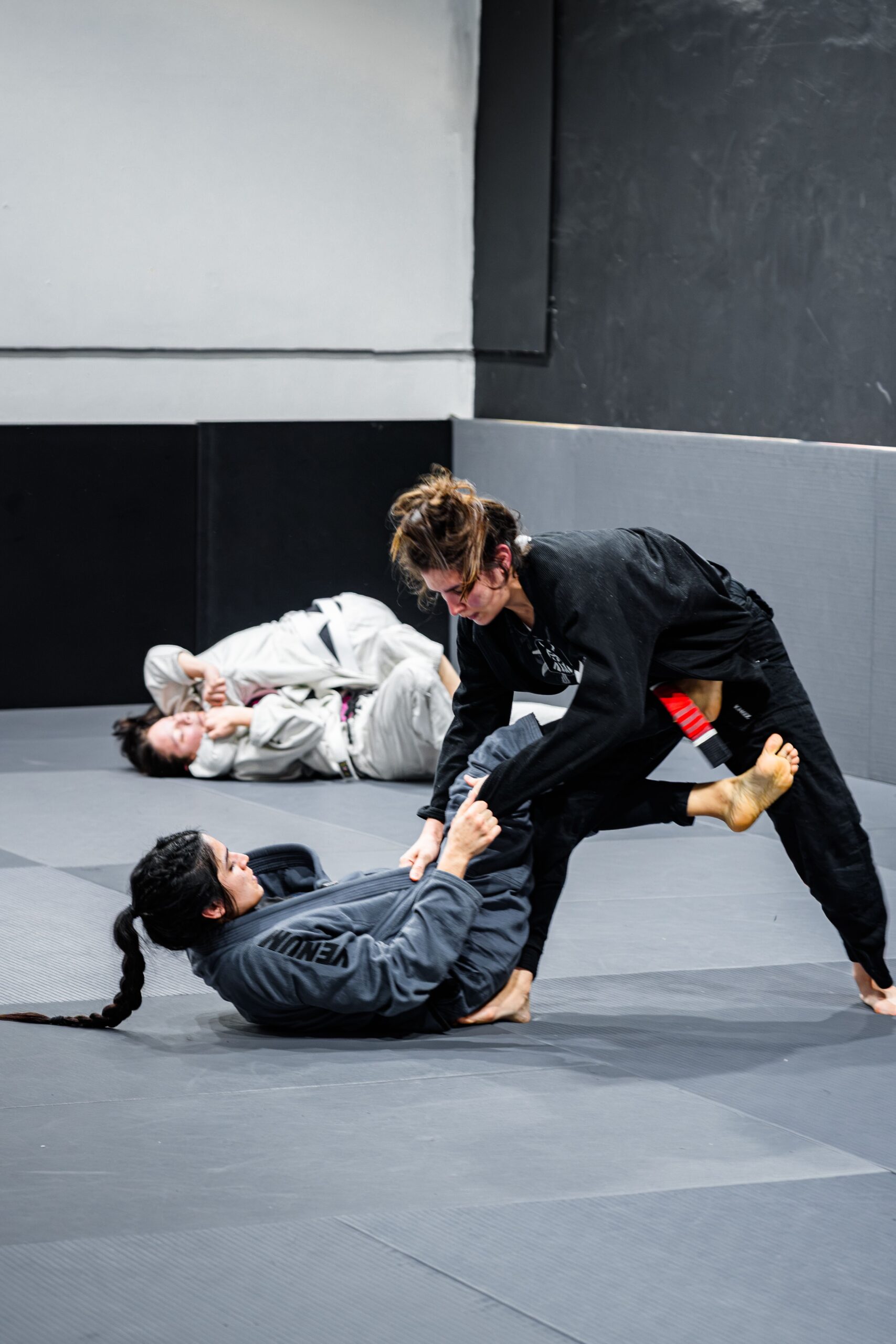
Discover how Brazilian jiu jitsu supports nervous system regulation and trauma recovery, and how it complements EMDR and hypnotherapy in Glen Ridge, NJ.

What Happens in a First Therapy Session?
Nervous about your first therapy session? Here’s what an intake actually involves — and why you won’t be rushed into deep work.

How to Find the Right Therapist in Northern New Jersey
Searching for a therapist in northern NJ? A practical guide to credentials, consultation questions, and finding the right fit for you.

EMDR Intensive vs. Weekly EMDR: What’s the Difference?
Weekly or intensive EMDR? Compare both formats for trauma reprocessing to find which pace and structure best fits your needs.
What to Expect from a Therapy Intensive (and Is It Right for You?)
Curious about therapy intensives? Learn how concentrated, multi-day EMDR and hypnotherapy sessions offer a focused path to deep trauma healing.

Why You Keep Choosing the Same Kind of Partner
Different person, same dynamic? This pull toward familiar relationships isn’t bad luck — it’s a nervous system pattern. Here’s how EMDR and parts work interrupt it.