The Mental Health Benefits of Martial Arts and Jiu Jitsu
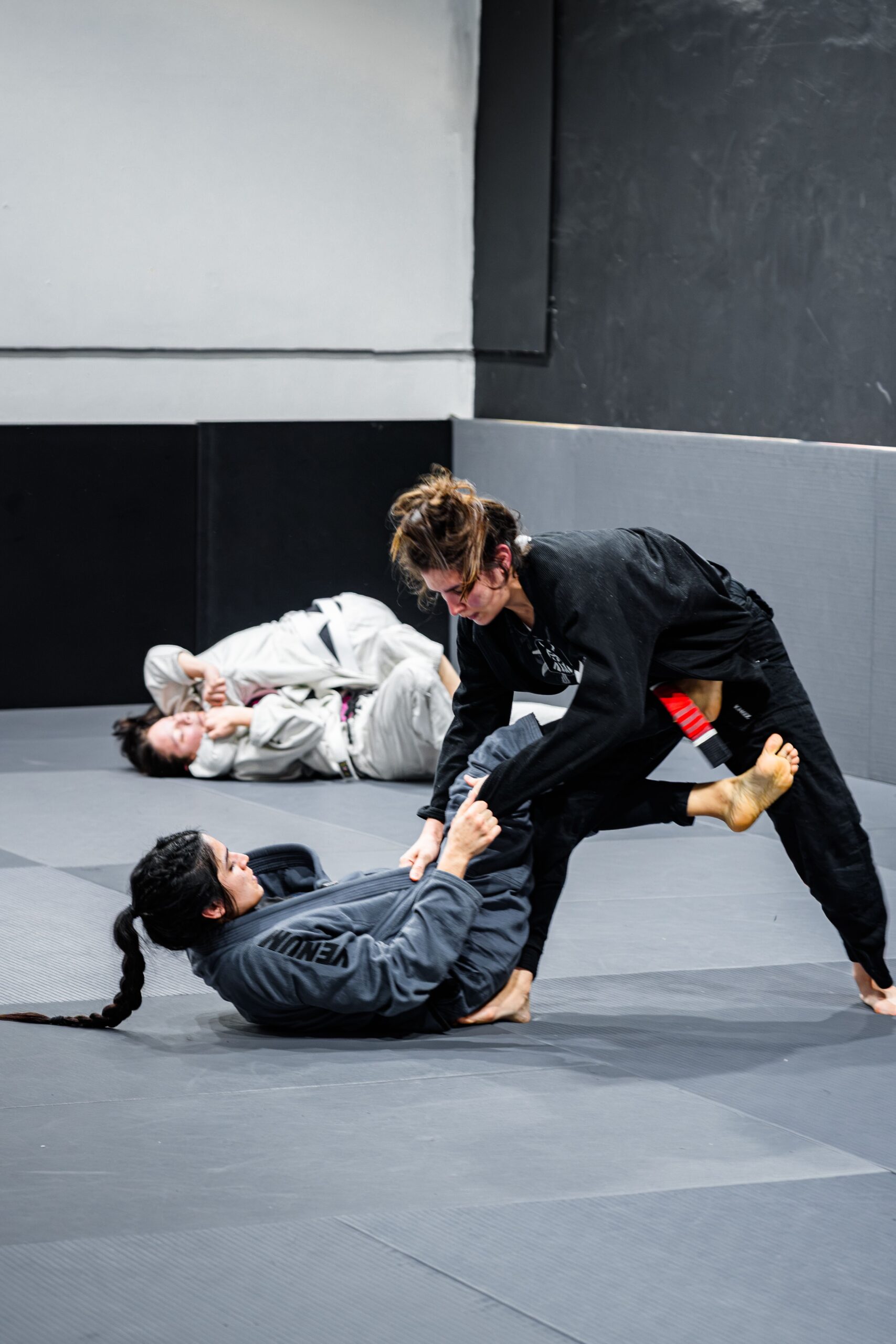
Discover how Brazilian jiu jitsu supports nervous system regulation and trauma recovery, and how it complements EMDR and hypnotherapy in Glen Ridge, NJ.
Discover how Brazilian jiu jitsu supports nervous system regulation and trauma recovery, and how it complements EMDR and hypnotherapy in Glen Ridge, NJ.
Nervous about your first therapy session? Here’s what an intake actually involves — and why you won’t be rushed into deep work.
Searching for a therapist in northern NJ? A practical guide to credentials, consultation questions, and finding the right fit for you.
Weekly or intensive EMDR? Compare both formats for trauma reprocessing to find which pace and structure best fits your needs.
Curious about therapy intensives? Learn how concentrated, multi-day EMDR and hypnotherapy sessions offer a focused path to deep trauma healing.
Different person, same dynamic? This pull toward familiar relationships isn’t bad luck — it’s a nervous system pattern. Here’s how EMDR and parts work interrupt it.
Constant scanning, trouble relaxing, feeling on edge for no clear reason? Hypervigilance is a trauma response, not a personality trait — and it’s treatable.
Not all trauma stems from a single event. Discover how single-event and complex trauma differ — and why EMDR, hypnotherapy, and parts work each play a different role in healing.
You’re the reliable one who never misses a deadline—but inside, your mind won’t stop bracing for what’s next. Learn the common traits of high-functioning anxiety, where this pattern often begins, and how EMDR, heart-centered hypnotherapy, and IFS-informed parts work can help you succeed without running on constant vigilance.
That tight chest and wave of dread before you’ve even checked your phone isn’t a character flaw—it’s biology. Learn how the Cortisol Awakening Response can turn a normal morning stress hormone spike into panic for anxious nervous systems, why willpower alone can’t fix it, and how nervous-system-focused approaches like EMDR and heart-centered hypnotherapy help address morning anxiety at its root.

Meaghan Coneys, LCSW
Glen Ridge, NJ
203-609-4462
mmcpsychotherapy@gmail.com
©2026 Meaghan Coneys, LCSW | Privacy Policy | Site DesignServing Glen Ridge and surrounding communities including Montclair, Bloomfield, Verona, Nutley, Belleville, and greater northern New Jersey, as well as clients throughout New York and Pennsylvania.